
Recognizing signs of sexual abuse in relationships early can be life-changing. Many adults struggle silently, unsure if what they are experiencing is abuse or just part of relationship stress. I have spent over 30 years helping clients navigate these painful dynamics, and I know firsthand how confusion, fear, and shame can shape judgment.
As a licensed therapist in Maine and New Hampshire, I always tell that understanding signs of abuse in relationships is not only about spotting extreme incidents. Often, abuse is subtle, masked by emotional control, and even small repeated behaviors can have a serious impact. Knowing the warning signs can help you take steps to protect yourself or support someone.
Key Indicators of Sexual Abuse
Sexual abuse in relationships often involves a combination of control. Recognizing these behaviors early is critical because ignoring them can lead to long-term trauma. Some of the main signs someone is being abused include forcing, pressure, violation of consent, and using sex as a tool to manipulate or punish.
Emotional manipulation often accompanies these acts, making it harder to recognize the abuse. For adults seeking help, exploring sexual abuse therapy can provide a safe space to process trauma and rebuild confidence in personal boundaries. Therapy often helps survivors recognize that abuse is never their fault and that healing is possible even after years of suffering.
Signs of Marital Abuse You Should Not Ignore
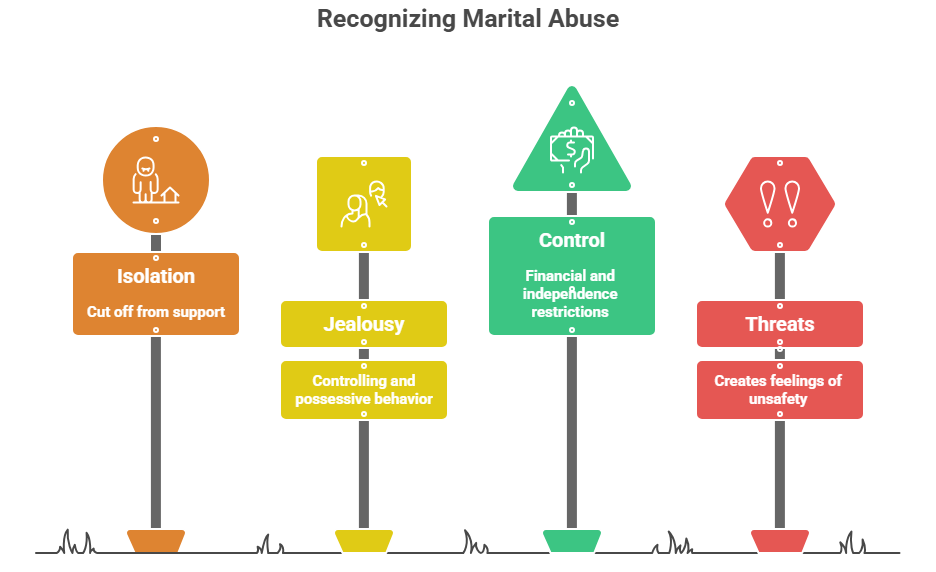
Some signs of marital abuse you should watch for include:
- Isolation from friends or family
- Extreme jealousy or possessiveness
- Controlling finances or preventing independence
- Threats that make you feel unsafe
It is common for people to feel confused or even blame themselves when these signs of sexual abuse in relationships occur. Recognizing these patterns early is vital for your safety and well-being. Talking to a trained professional, or simply acknowledging that these behaviors are not normal, can be the first step toward protecting yourself and starting recovery.
Emotional and Psychological Effects
Survivors often carry deep shame about what is happening, even when they are not at fault. Adults who experienced childhood neglect may be particularly vulnerable, having learned early on to suppress needs or boundaries. Psychological effects of sexual abuse can include anxiety, depression, hypervigilance, or dissociative symptoms for those with DID.
These experiences can make everyday interactions feel overwhelming or exhausting, especially when fear or guilt is constant. Many adults find it helpful to work with a therapist through relationship counseling to rebuild trust, restore confidence, and establish healthy boundaries for future relationships.
Physical Signs to Watch
While abuse does not always leave visible marks, certain signs of sexual abuse in relationships may indicate danger. These can include:
- Unexplained injuries, bruises, or marks
- Pain or discomfort during sexual activity
- Sudden withdrawal from intimacy or affection
- Self-harming behaviors as a way to cope
Even subtle signs like frequent headaches, sleep disturbances, or chronic tension can sometimes indicate stress related to sexual abuse. Noticing these physical and emotional changes together is critical in identifying unsafe dynamics, allowing timely support and intervention.
Recognizing Abuse in Men
Men can also experience sexual abuse, even if it is less often discussed. Signs of an abused man may include emotional withdrawal, irritability, substance use, difficulty setting consent boundaries, or avoidance of intimacy due to fear or shame.
Recognizing signs of sexual abuse in relationships for men is especially important because societal stigma often discourages them from speaking up. Understanding that abuse can affect anyone helps reduce stigma and encourages seeking support. Therapy for male survivors often focuses on rebuilding trust and learning to recognize healthy sexual and emotional boundaries.
Subtle Control Tactics
How to tell if someone is being abused when torture is not obvious? Some behaviors are subtle yet harmful and can easily be overlooked. Watch for signs like:
- Refusing birth control
- Threatening harm to self
- Constant monitoring or restricting freedom
- Ignoring personal boundaries or dismissing your feelings
These are all signs of domestic abuse in a relationship that indicate serious control and manipulation, even without physical violence. Adults can explore help through couples therapy to safely navigate these dynamics, rebuild healthy communication, and restore personal safety in the relationship.
Steps to Take if You Recognize Abuse
- Acknowledge the abuse: Any non-consensual sexual act or pressure is abuse.
- Seek support: Contact the National Domestic Violence Hotline or RAINN for confidential guidance.
- Document incidents: Keep records of messages, photos, or any evidence of threats.
- Reach out to a therapist: Professional support is essential for processing trauma. Adults can access safe spaces for healing through trauma-informed therapy programs and guidance.
Worldwide, nearly one in three women has faced sexual or partner violence; a global reminder that sexual abuse in relationships is widespread across cultures and societies.
FAQs
1. How do you tell if you are in a sexually abusive relationship?
If your partner pressures, manipulates, or forces sexual acts against your consent, this is abuse. Common behaviors include using force, threats, guilt, or manipulation to obtain sexual acts.
2. What evidence do you need for sexual abuse cases?
Evidence can include medical records, survivor testimony, forensic or DNA data, photographs, videos, social media messages, texts, or police reports. Proper documentation supports your case if legal action is pursued.
3. What’s the difference between sexual harassment (SH) and sexual abuse (SA)?
SA involves nonconsensual physical contact, which is a crime. SH typically involves unwanted sexual behaviors creating a hostile environment, often verbal or visual. SH may sometimes include touching that is not assault but still affects well-being.
4. Can men experience sexual abuse?
Yes, men may face pressure or emotional manipulation similar to women. Recognizing the abuse, seeking support, and accessing trauma-informed therapy are critical steps toward healing.
Moving Forward After Abuse
Recovering from signs of sexual abuse in relationships is challenging but possible. Therapy allows survivors to reclaim boundaries, process shame, and rebuild healthy relationships. I bring over 30 years of experience supporting adults who have experienced abusive pasts and childhood neglect, including those navigating life with DID.
If you are ready to start the journey of healing, connecting with Arlene Brewster, PhD, is a compassionate first step toward safety, understanding, and reclaiming your life. With the right support, healing is not only possible but sustainable.
