
Understanding Why and How Anxiety Can Cause Headaches
Many people ask me, can anxiety cause headaches? The short answer is yes, and it happens more often than most people realize. When stress or worry builds up in the mind, the body often responds physically, and headaches are one of the most common signals.
In my over 30 years of work with adults navigating anxiety, trauma, and long-standing emotional stress across Maine and New Hampshire, I often see how mental strain can show up as real physical pain. Understanding why this happens and what to do can make a difference in your well-being.
Can Anxiety Cause Headaches? Understanding the Mind–Body Connection
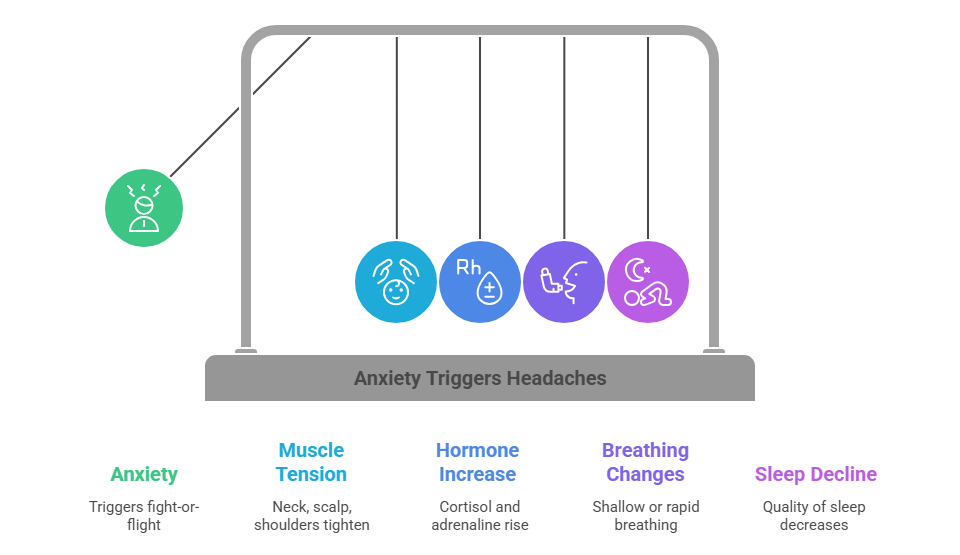 Anxiety triggers a series of physiological reactions in the body designed to prepare us for perceived threats. This response is commonly known as the fight-or-flight response. When anxiety becomes frequent or chronic, several things can happen:
- Muscles in the neck, scalp, and shoulders tighten
- Stress hormones like cortisol and adrenaline increase
- Breathing becomes shallow or rapid
- Sleep quality declines
Anxiety is also far more common than many people realize. According to the CDC, nearly 1 in 8 adults has been diagnosed with anxiety, and about 12% report feelings of anxiety or worry.
How Does Anxiety Trigger Headaches in the Body?
To understand why headaches occur, it helps to look at what anxiety does inside the body. Several biological mechanisms are involved.
Muscle Tension
One of the most immediate effects of anxiety is muscle tightness. People experiencing chronic stress often hold tension in their neck, jaw, scalp, and shoulders without realizing it. Over time, this pressure can lead to a dull, constant headache that feels like a tight band around the head.
Stress Hormones and Blood Flow
Anxiety activates stress hormones that affect blood vessels and circulation. These changes can contribute to headaches and even migraines in some individuals.
Neurotransmitter Changes
Brain chemicals like serotonin and norepinephrine regulate both mood and pain. When anxiety disrupts these systems, the brain may become more sensitive to pain signals, increasing the likelihood of headaches.
Lifestyle Effects
Anxiety can also influence habits that trigger headaches, such as:
- Jaw clenching or teeth grinding
- Poor posture during long periods of worry or rumination
- Reduced sleep quality
- Skipping meals
What Do Anxiety Headaches Feel Like?
Typical anxiety headaches may include:
- Mild pain on both sides of the head
- A dull or pressure-like sensation
- Tightness around the scalp or forehead
- Tenderness in the neck or shoulder muscles
- Pain lasting hours or sometimes days
For individuals who experience persistent emotional stress or mood challenges alongside headaches, exploring supportive care such as depression therapy can also be helpful, especially when anxiety and low mood overlap.
Can Anxiety Cause Headaches During Chronic Stress or Trauma Recovery
Another question I often hear is whether anxiety can cause headaches for people dealing with deeper emotional experiences, such as trauma or unresolved childhood adversity. For many adults, the answer is yes.
In my clinical work with adults throughout Maine and New Hampshire, I frequently see how unresolved trauma or internalized shame contributes to ongoing anxiety symptoms. Addressing these experiences through trauma therapy can help regulate the nervous system and reduce both emotional and physical stress responses.
How Do You Know If Your Headache Is Caused by Anxiety?
Because headaches can have many causes, it’s important to look at the bigger picture. Several clues may suggest anxiety is contributing to the pain.
Signs your headaches may be anxiety-related include:
- They appear during periods of emotional stress
- You notice tightness in your neck or shoulders
- The pain feels like pressure rather than throbbing
- The headaches occur alongside anxiety symptoms such as racing thoughts or restlessness
This is where understanding “can anxiety cause headaches” becomes helpful because it serves as a framework for recognizing patterns.
What Helps Reduce Anxiety-Related Headaches
Some strategies that may help include:
- Gentle neck and scalp massage
- Regular movement or stretching
- Improving sleep routines
- Practicing mindfulness or breathing exercises
- Limiting excessive caffeine
- Learning stress-regulation techniques
In my practice, I help adults learn how their nervous systems respond to stress and how to gradually regulate those responses. Through approaches such as anxiety treatment, many clients begin to notice fewer headaches as their anxiety becomes more manageable.
Can Anxiety Headaches Improve Over Time
Yes, when people actively address anxiety through therapy, headaches that once appeared several times a week may become much less common. As emotional regulation improves, the nervous system gradually shifts out of survival mode.
When Should You Seek Professional Help
You should consider going to a healthcare expert if headaches:
- Become very frequent or intense
- Wake you from sleep
- Are accompanied by neurological symptoms like vision changes or numbness
- Suddenly worsen or feel different from previous headaches
Getting medical guidance ensures that other potential causes are ruled out.
FAQs
How do I know if my headache is from anxiety?
Anxiety headaches often feel like a dull pressure around the head or forehead. The pain is usually mild to moderate, affects both sides of the head, and may last several hours or even days.
How do you get rid of anxiety headaches?
Relief may come from relaxing the muscles that tighten during stress. Gentle head or neck massage, stretching, improved sleep habits, and relaxation techniques can help.
Can you go back to normal after anxiety?
Yes, many people experience significant improvement when they actively address anxiety through therapy, lifestyle changes, and emotional regulation techniques.
Are migraines and anxiety headaches the same?
Not exactly. Anxiety most commonly causes tension headaches, which feel like steady pressure around the head. Migraines are usually more intense, often affect one side of the head, and may include nausea or sensitivity to light and sound.
A Compassionate Path Forward
If you’ve been wondering, “Can anxiety cause headaches?” you’re not alone, and your experience is valid. For more than 30 years, I’ve worked with adults across Maine and New Hampshire who are navigating anxiety, trauma, childhood adversity, neglect, relationship struggles, and complex conditions such as Dissociative Identity Disorder (DID).
If you’re exploring ways to better understand anxiety and its physical effects, you can learn more about my approach at Brewster PhD. I’m licensed in both Maine and New Hampshire and focus on helping adults build deeper emotional resilience so the mind and body can finally begin to relax.
