
Having experience of more than 30 years of clinical practice with adults who experience trauma, I, Dr. Arlene, know the answer to how to stop feeling alone and unwanted. Being unwanted does not imply that you are wrong, but something happened to you that is painful, and your nervous system was taught to anticipate being distant as opposed to being in care.
To help you, I will present practical steps that you can undertake today, this week, and in the long run to improve your thought process and align it in the direction that values your inner self.
Why Do I Feel Alone and Unwanted Even When I am Around People
Being alone is not necessarily being physically distinct. It is often about emotional separation, being in the presence of other people. As per the study of the World Health Organization, approximately 1 in 6 people worldwide report feeling lonely. This shows that social disconnection is found on a global level, with real consequences for mental and physical health.
In most cases of adults raised in an emotionally distant manner or who experienced abuse in childhood, the nervous system learns to expect rejection. In the long run, this may result in intense shame and self-suspicion.
Such experiences tend to intersect with loneliness. I often see people who suffer from dissociation, such as Dissociative Identity Disorder (DID), where an inner part of them feels distant from other people.
What Can I Do Today to Be Less Alone
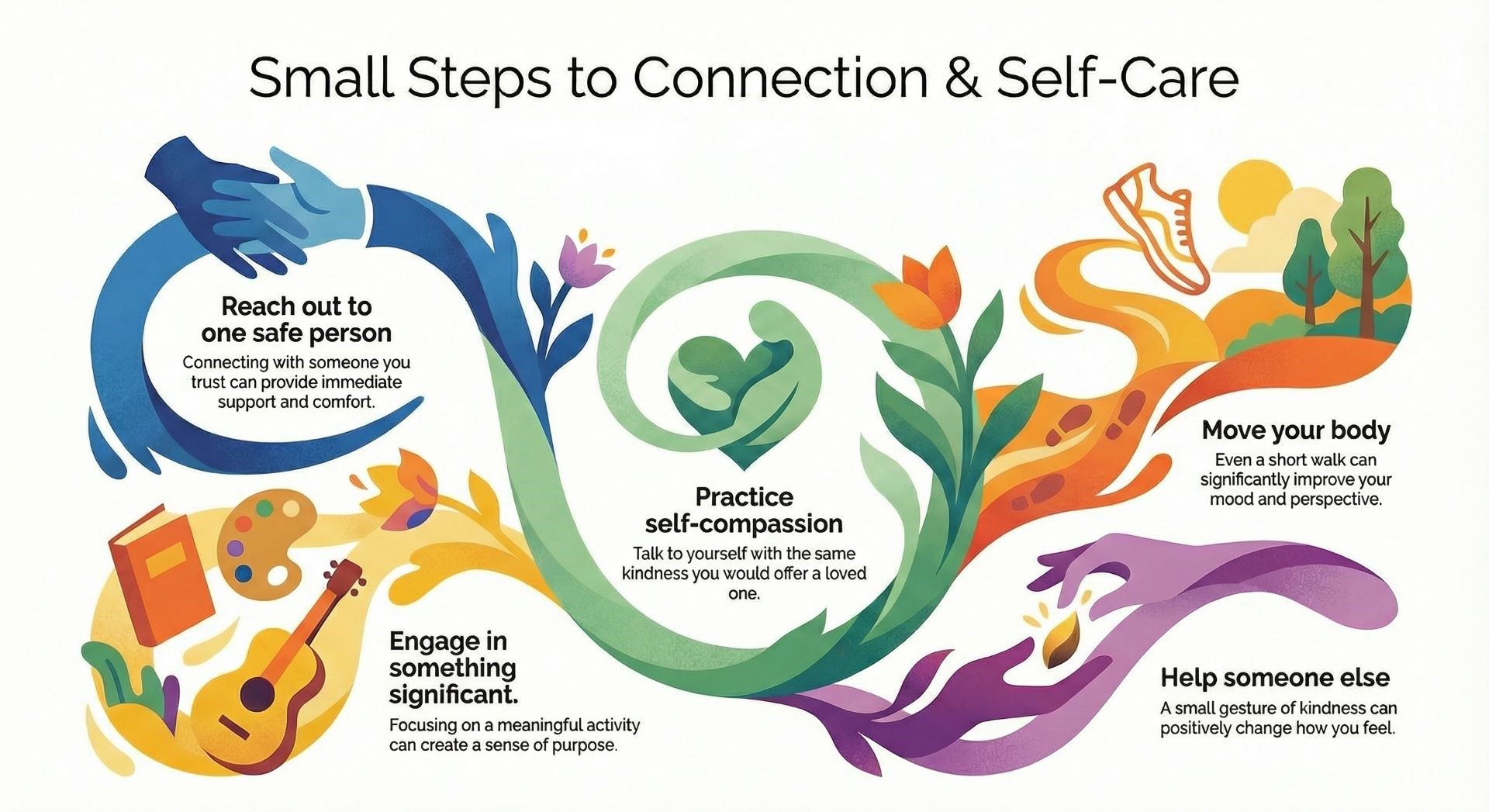
If you are asking yourself how to stop feeling alone and unwanted today, then every small step will count more than the big ones. These are some of the measures that can make your nervous system under control:
- Reach out to one safe person.
- Practice self-compassion. Talk to yourself as you would to a loved one.
- Move your body. A short walk will change your mood.
- Be engaged in something significant.
- Help someone else. Even a minor gesture can change your feelings.
How Can Therapy Help When These Feelings Don’t Fade
If the feeling of being unwanted has become a habit of a certain pattern, then therapy can be a significant relief. Most adults that I deal with are not simply lonely, but they are experiencing unresolved trauma and a long-term shame that goes back to earlier relationships.
When helping with anxiety, I assist the clients in understanding how to stop feeling alone and unwanted, why their minds anticipate rejection, and the methods of soothing the internal alarm system that is causing anxiety.
My clientele is exclusively adult-based, and most of the clients have a history of abuse and neglect during their childhood. I also provide services to individuals with DID, and here, internal safety is one of the most important essentials in the feeling of enhanced connection.
What Can I Do This Week to Develop Real Connection
Here is what to consider:
- Being a part of a group of people sharing the same interest. It can be book clubs, fitness classes, or online communities.
- Minimizing social media comparison.
- Practicing micro-connections (the small interactions).
- Caring for your body. The direct impact on emotional resilience is made by sleep, nourishment, and sunlight.
Why Does Depression and Shame Intensify Loneliness
Depression is known to distort the perception we have of ourselves and other people. It may also give the impression that you are a burden or useless, and this strengthens loneliness. This is increased by shame, which promotes silence and withdrawal.
During my practice of offering depression therapy, I assist clients in gently challenging these beliefs and restructuring their self-worth. Being unwanted has little to do with being what you are and more to do with not having your emotional needs met.
What to Do to Develop Long-Term Support
Healing does not require one to always be social. It is to know when to get in touch with people and when being alone can be refreshing instead of being isolating. Here are the methods you can use:
- Learn the comfort of healthy loneliness.
- Get professional assistance in times of depression.
- Don’t self-blame.
Even in my practice of relationship counseling as a licensed therapist in Maine and New Hampshire, I guide adults to learn how to stop feeling alone and unwanted and understand the different patterns of attachment and to build relationships that are respectful and emotionally secure.
FAQs
Who should I discuss with when I feel that I have no one?
In case of urgent distress, call 988 (U.S.) or local helplines that are emergency resources. To provide continuous assistance, online communities, support groups, and therapists can provide consistent contact.
Which age category is the most lonely?
It has been found that loneliness tends to be the highest during the time of young adulthood (under 30), but it may be experienced by individuals of all ages, depending on life circumstances and sources of emotional support.
What is the rule of friendship 11 3 6?
The generally mentioned concept is that after 11 interactions of friendship that last about 3 hours together with each other in 6 months, the friendship tends to grow stronger.
Is feeling unwanted a sign that something is wrong with me?
No, the feeling of being unwanted is typically based on the previous experience, unfulfilled emotional needs, or emotional trauma, rather than on the failure.
One Last Word About Feeling Less Alone
Having over 30 years of experience in working with adults recovering trauma, neglect, dissociation, and relationship pain, I can say with certainty that the learning of how to stop feeling alone and unwanted has nothing to do with self-repair. It is about knowing how to make your nervous system work and having the support system that treats you with compassion.
And when you are willing to follow my guidance, you can book your session with me, Arlene Brewster, PhD. You don’t need to face this feeling anymore, as I work with you and assist in understanding the meaning of connection.
