

Knowing when to see a therapist can feel like a difficult decision, especially when you have spent months or years trying to manage emotional pain on your own. In my more than 30 years of clinical practice as a psychologist, I have worked with countless adults who wondered if their distress was severe enough to justify reaching out. The truth is that you do not need to wait for a catastrophic breakdown to seek professional help.
Therapy is not only for moments of acute crisis. It is a dedicated space to unpack painful patterns, regain your emotional equilibrium, and understand what your mind and body are communicating. Recognizing the early signs you need therapy can prevent deeper distress and help you reclaim a sense of peace much sooner.
Emotional Warning Signs You Should Not Ignore
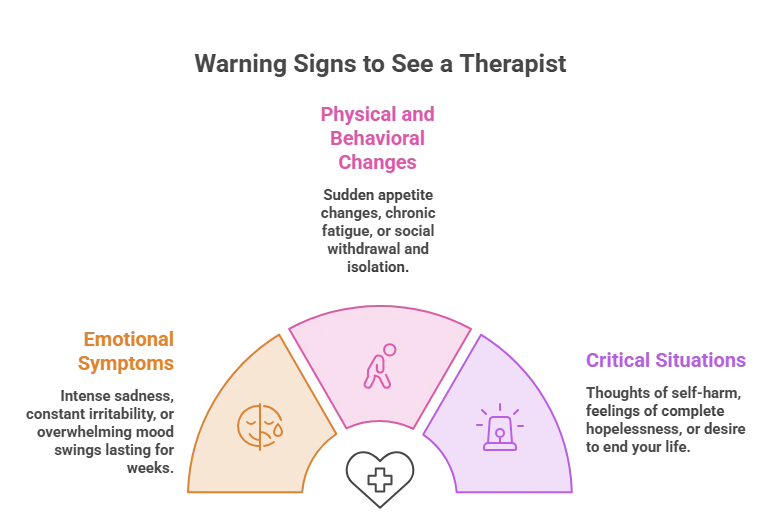
Emotional symptoms often provide the earliest cues that something inside requires attention. When you experience intense sadness, constant irritability, or overwhelming mood swings that last for weeks, these are clear indicators of underlying mental health struggles. You might find that small frustrations trigger outsized anger or that you feel emotionally numb to things that once brought joy.
Persistent worry and dread can also dominate your waking hours, making it impossible to relax or stay present. When these emotional states begin to disrupt your daily routine, it is an important signal regarding when to see a therapist. Exploring specialized depression therapy can help you get to the root of these heavy emotional states rather than simply trying to push through them alone.
Physical and Behavioral Changes That Signal Overwhelm
Mental and emotional stress rarely stays confined to your thoughts alone. It frequently shows up in your physical body and daily routines. When your nervous system is overwhelmed, you might notice sudden shifts in your sleep patterns, such as insomnia or sleeping excessively just to escape the day.
Other physical and behavioral signs you need therapy include:
- Sudden changes in appetite leading to unintended weight shifts
- Chronic fatigue and complete loss of energy for daily tasks
- Social withdrawal and isolating yourself from loved ones
- Unexplained physical tension, headaches, or stomach issues
- Relying on alcohol or unhealthy habits to cope with stress
When stress becomes physical, your body is telling you that your coping strategies are stretched to their limit. Seeking guidance through targeted anxiety therapy can give your nervous system the support it needs to regulate again.
When Past Trauma and Childhood Adversity Resurface
In my clinical practice, I often meet individuals who realize it is time to seek professional help because old memories or unresolved childhood pain have begun to overwhelm their adult lives. Many adults carry deep emotional burdens from early experiences of abuse, neglect, or emotional instability without recognizing how those events continue to dictate their present choices.
These experiences often leave people carrying a persistent sense of shame, feeling fundamentally defective or unworthy of love. At Brewster PhD, my work is exclusively with adults navigating the long-term aftermath of childhood adversity. I do not provide child therapy, as my focus is entirely on helping adults heal from historical wounds.
This specialized focus includes working compassionately with adults living with Dissociative Identity Disorder, also known as DID. As a psychologist licensed in both Maine and New Hampshire, I understand that DID and complex trauma require thoughtful, nonjudgmental care. If unresolved wounds from your past are disrupting your adult relationships, engaging in childhood trauma therapy can help you safely process what happened.
Critical Situations Requiring Immediate Support
There are certain moments when recognizing when to see a therapist becomes an urgent safety matter. If you are experiencing thoughts of self-harm, feelings of complete hopelessness, or the desire to end your life, you must seek professional help immediately.
Resources such as FindSupport offer immediate access to free, confidential crisis hotlines and mental health navigation. You never have to navigate these overwhelming feelings in isolation.
Reaching out during a crisis is not a sign of failure but a vital step toward protecting your life and future.
The Value of Proactive Mental Health Care
Waiting until you are in absolute crisis is not necessary. Knowing when to see a therapist before your coping mechanisms collapse allows you to build resilience, process painful experiences, and prevent prolonged suffering. Many adults discover that confronting their mental health struggles early gives them tools to navigate future challenges with greater confidence.
Understanding the signs you need therapy allows you to step out of survival mode and into meaningful recovery. Complex mental health struggles deserve compassionate attention, and professional therapy provides a dedicated space where your feelings are treated with dignity
Frequently Asked Questions
What are signs you should see a therapist?
Signs you should see a therapist include persistent feelings of sadness, anxiety, changes in sleep or appetite, withdrawing from friends, and struggling to get through daily tasks. If everyday stress feels too heavy to manage on your own, professional support can help.
What not to say during therapy?
In individual therapy, almost nothing is truly off limits, but actively lying, hiding major truths, or pretending therapy is working when it is not will stall your progress. You also never need to apologize for showing heavy emotions or talking too much.
Can therapy help if I am still managing my daily responsibilities?
Yes, many adults maintain their careers and family obligations while experiencing intense emotional distress privately. High-functioning individuals still benefit deeply from therapy to address chronic stress, anxiety, or unhealed emotional wounds.
How do I know if my struggles are linked to childhood adversity?
If you frequently experience intense fear of abandonment, deep shame, difficulty trusting others, or chronic dissociation, these reactions often stem from early experiences of abuse or neglect. A therapist can help you understand these experiences and their connection with your personality safely.
Finding Relief and Moving Forward With Confidence
Deciding when to see a therapist is an act of profound courage that opens the door to lasting healing and self-discovery. You do not have to carry the weight of exhaustion, emotional overwhelm, or unresolved pain by yourself any longer.
If you are recognizing the warning signs and wondering when to see a therapist for deep, trauma-informed care, I, at Brewster PhD, provide experienced clinical support and IFS therapy for adults. I’m licensed in Maine and New Hampshire, bringing over 30 years of clinical expertise to help adults heal from childhood abuse, neglect, shame, and Dissociative Identity Disorder (DID) via online therapy across the country.
