
If you are searching for how to deal with insecurities in a relationship, there is a good chance you are emotionally exhausted from overthinking, self-doubt, or constantly questioning where you stand with your partner.
Many people assume insecurity only looks like jealousy or clinginess. But in reality, insecurity can appear quietly through emotional withdrawal, people-pleasing, fear of conflict, or the constant need for reassurance.
In my therapy practice in Maine & New Hampshire, I work with individuals who feel ashamed of their insecurities because they believe they “should be more confident.” What I want you to know is that insecurity is rarely random. It usually develops from experiences that taught you connection could disappear unexpectedly.
Why Insecurity Often Begins Long Before the Relationship
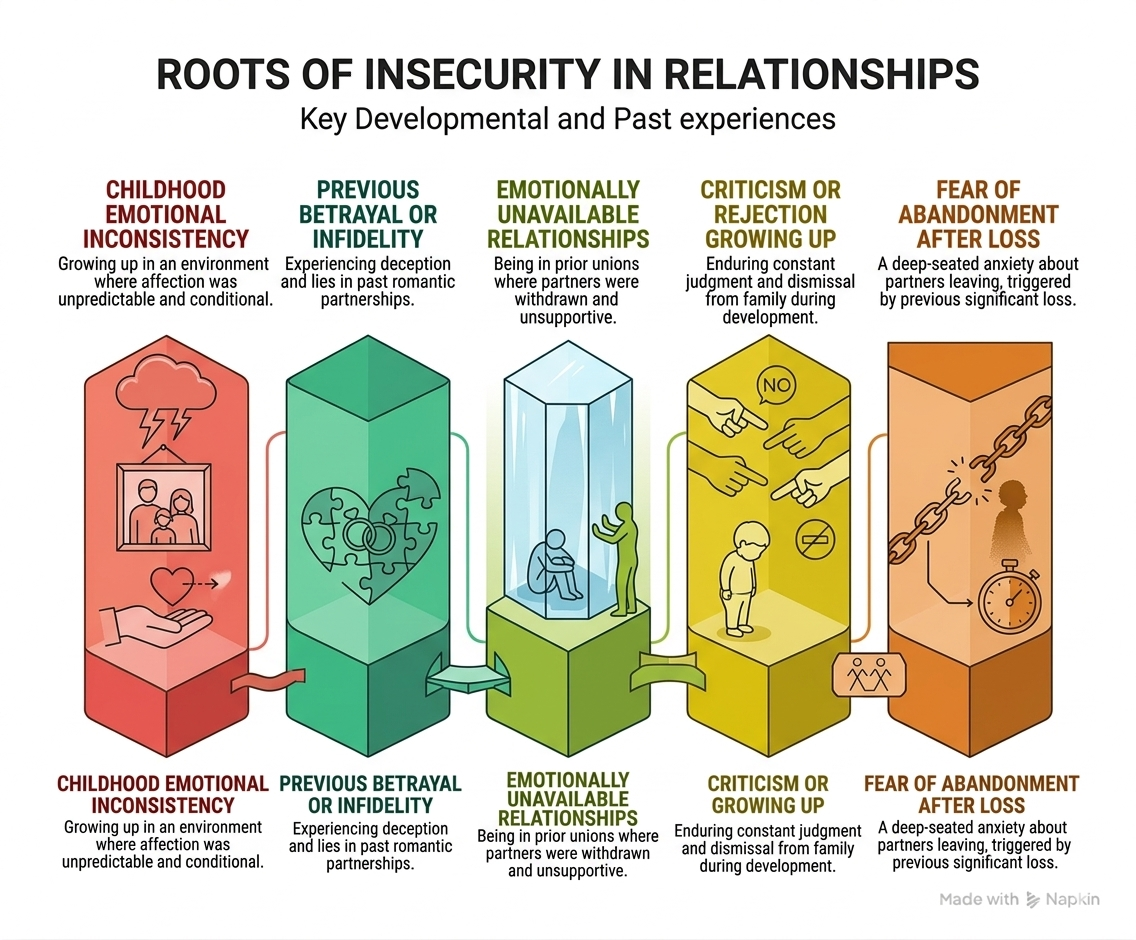
Your current relationship may not be the original source of your insecurity. Sometimes insecurity develops through:
- Childhood emotional inconsistency.
- Criticism or rejection growing up.
- Previous betrayal or infidelity.
- Emotionally unavailable relationships.
- Fear of abandonment after loss.
These experiences shape the nervous system.
So when your partner becomes distant, distracted, or emotionally unavailable, your body may react as though something dangerous is happening, even when there is no immediate threat.
In my individual therapy sessions, I help clients recognize that insecurity is commonly connected to emotional survival strategies rather than personal weakness.
How to Deal With Insecurities in a Relationship Without Becoming Emotionally Reactive
When insecurity gets activated, many people move into protection mode.
You might:
- Overanalyze texts or tone changes.
- Seek reassurance repeatedly.
- Withdraw emotionally before getting hurt.
- Compare yourself to others constantly.
- Assume distance means rejection.
The problem is that reactive behaviors create more disconnection.
Instead of trying to eliminate insecurity immediately, I encourage clients to first slow down their interpretation of what is happening.
Questions to Ask Yourself Before Reacting
| Question | Why it helps |
| What story am I telling myself right now? | Creates emotional awareness |
| Is this fear connected to the present or the past? | Helps separate triggers from reality |
| Have I communicated my needs clearly? | Reduces assumptions |
| Am I seeking reassurance or emotional regulation? | Builds self-awareness |
| What would help me feel grounded first? | Supports nervous system stability |
Emotional Hypervigilance Can Quietly Damage Relationships
One issue I see is emotional hypervigilance. This happens when you become highly alert to emotional shifts in your partner.
You may notice:
- Shorter responses.
- Delayed texts.
- Different facial expressions.
- Less affection than usual.
Your brain starts scanning for signs that something is wrong.
The difficulty is that hypervigilance creates emotional exhaustion for both partners. You remain anxious, while your partner may begin feeling monitored or emotionally pressured.
Understanding how to deal with insecurities in a relationship sometimes means recognizing when your nervous system is interpreting uncertainty as danger.
The Difference Between Intuition and Insecurity
Many people struggle to tell the difference between healthy intuition and insecurity.
Insecurity usually feels urgent, fearful, and repetitive. Intuition tends to feel calmer and more grounded, even when it points to something difficult.
For example:
- Insecurity says, “They are pulling away because I am not enough.”
- Intuition says, “Something in this relationship feels emotionally inconsistent.”
Understanding this distinction can help you communicate more clearly rather than reacting in panic.
Keeping Up With Insecurities When Reassurance Never Feels Enough
One overlooked sign of deeper insecurity is when reassurance provides only temporary relief.
Your partner may reassure you repeatedly, yet the anxiety returns quickly.
This usually happens because the nervous system is searching for certainty that another person cannot fully provide.
That does not mean reassurance is bad. Emotional reassurance matters. But long-term healing also requires:
- Strengthening self-worth internally.
- Building emotional regulation skills.
- Identifying old attachment wounds.
- Developing healthier boundaries.
- Learning to self-soothe during uncertainty.
In my adult trauma therapy work, I help clients understand why external reassurance alone cannot fully heal internal fear.
Why People-Pleasing Can Be a Hidden Form of Insecurity
Not all insecurity looks emotionally intense. Some people respond by becoming overly accommodating.
You may:
- Avoid expressing needs.
- Stay quiet during conflict.
- Prioritize your partner’s comfort constantly.
- Fear of disappointing others.
- Overextend yourself emotionally.
People-pleasing develops from the belief that love must be earned through emotional caretaking. Unfortunately, this can create resentment and emotional disconnection over time.
How Can You Create Healthier Emotional Balance?
Healthy relationships allow space for:
- Honest communication.
- Individual boundaries.
- Emotional accountability from both people.
- Disagreement without fear of abandonment.
- Vulnerability without excessive self-sacrifice.
When you stop organizing the relationship around fear, emotional connection becomes more authentic.
Awareness of How to Deal With Insecurities in a Relationship Starts With Self-Compassion
One of the most powerful shifts happens when you stop treating your insecurity like something shameful.
Insecurity is often a signal that part of you is afraid of losing connection, safety, or emotional belonging. That does not make you needy or broken. It means there are emotional experiences within you that deserve understanding rather than criticism.
The goal is not to become emotionally perfect. The goal is learning how to respond to yourself and your relationship with greater awareness, steadiness, and honesty.
Last Word
If you have been struggling with managing insecurities in a relationship, you do not have to continue carrying that anxiety alone. Healing insecurity is not about suppressing emotions or pretending you never feel afraid. It is about understanding the deeper emotional patterns shaping your reactions and learning healthier ways to connect.
I work with individuals and couples who want to strengthen emotional security, improve communication, and better understand the roots of relationship anxiety.
Are you ready to explore these patterns in a supportive and compassionate space? Contact me today to schedule an online session.
FAQs
1. How do I stop overthinking in my relationship?
Overthinking decreases when you learn to slow emotional reactions, communicate needs clearly, and separate present reality from past fears.
2. Can childhood experiences affect relationship insecurity?
Yes. Early emotional experiences can shape attachment patterns, fear of rejection, and the way you respond to emotional closeness.
3. How to deal with insecurities in a relationship without depending on reassurance?
Building emotional regulation, self-awareness, and self-worth internally can help reduce constant dependence on reassurance.
4. Can insecurity ruin a healthy relationship?
Untreated insecurity can create emotional strain, but awareness and support can help couples build healthier communication and trust.
5. Is therapy helpful for relationship insecurity?
Yes. As a licensed therapist, I offer therapy throughout Maine and New Hampshire that can help you understand attachment patterns, process emotional wounds, and foster healthier ways of relating to yourself and others.
